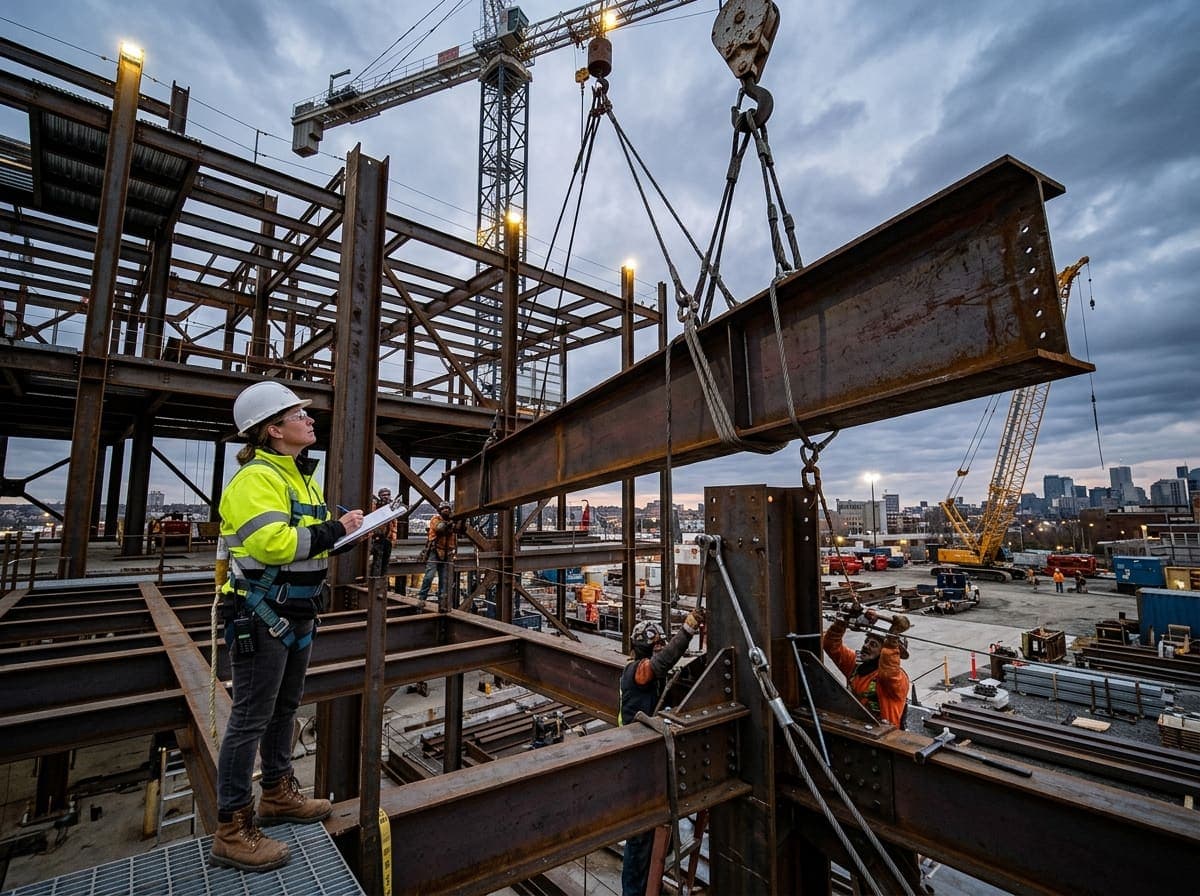
Bridging Civil Engineering & Quantity Surveying: How SMM7 / NRM2 Transforms Site Delivery
Why Dual Technical and Commercial Competence Prevents Costly Contractor Disputes

Pavishan Sivakumaran
Civil Engineer & Construction Project Manager • BCU MSc CPM Candidate

Engineers often focus purely on physical execution while quantity surveyors focus on spreadsheets. Discover how integrating measurement principles directly onto active construction sites safeguards project margins and validates contractor variations.
1. The Divide Between the Drawing Board and the Ledger
During my undergraduate studies in Quantity Surveying & Construction at De Montfort University and subsequent on-site supervision at Vijeya Builders, a recurring pattern became apparent: site teams often discover drawing variations too late to protect the client's budget.
When a site engineer understands NRM2 rules of measurement, extra-over excavation claims, rock breaking, and reinforcement density variations are flagged and measured at the moment of discovery, rather than contested months later during final account negotiations.
2. Documenting Ground-Condition Variations in Real Time
Substructure excavation is notoriously prone to commercial claims. When poor soil or high water table conditions necessitate deeper trench shoring or blinding concrete, contemporaneous photographic and surveying evidence is paramount.
At the Assistia Head Office project (15M LKR), establishing a shared digital variation log where daily levels and trench volumes were co-signed by the contractor and client eliminated 100% of potential billing disputes.
- Record baseline Total Station levels immediately before breaking ground on unclassified excavation.
- Issue written confirmation of verbal site instructions within 24 hours per standard contract protocols.
- Calculate quantity adjustments using standard POMI or NRM2 deduction rules for openings and voids.
3. The RICS Ethical Standard on Site
As an aspiring MRICS professional, upholding integrity, transparency, and accurate valuation is fundamental. A trustworthy engineer-surveyor protects all parties by measuring works objectively against approved specifications.

Pavishan Sivakumaran
Graduate Civil Engineer & Construction Project Manager with 2+ years on-site QA/QC, structural supervision, and commercial NRM2 cost controls across UK and Sri Lankan developments.
Related Technical Insights
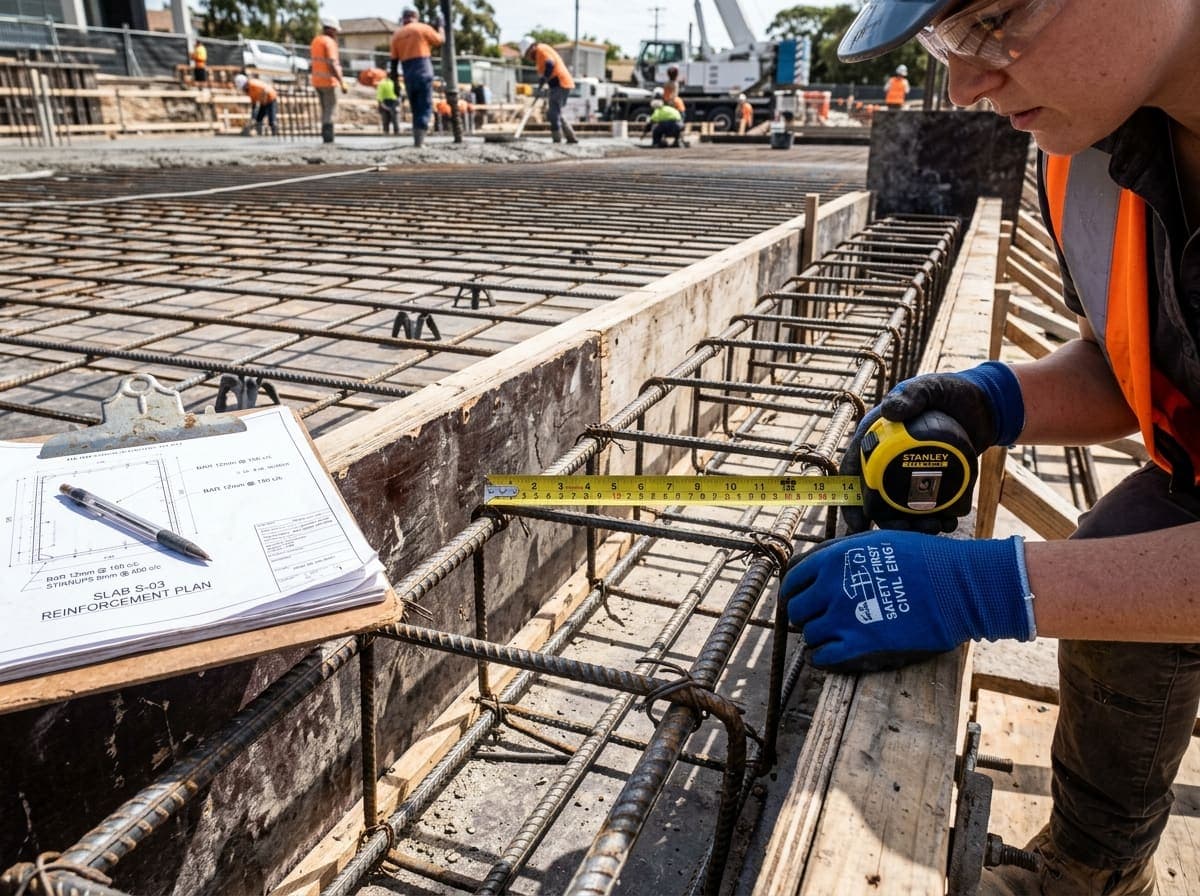
Practical Material Control & Rebar Waste Minimization on Multi-Storey RC Sites
6 min read • Jan 18, 2026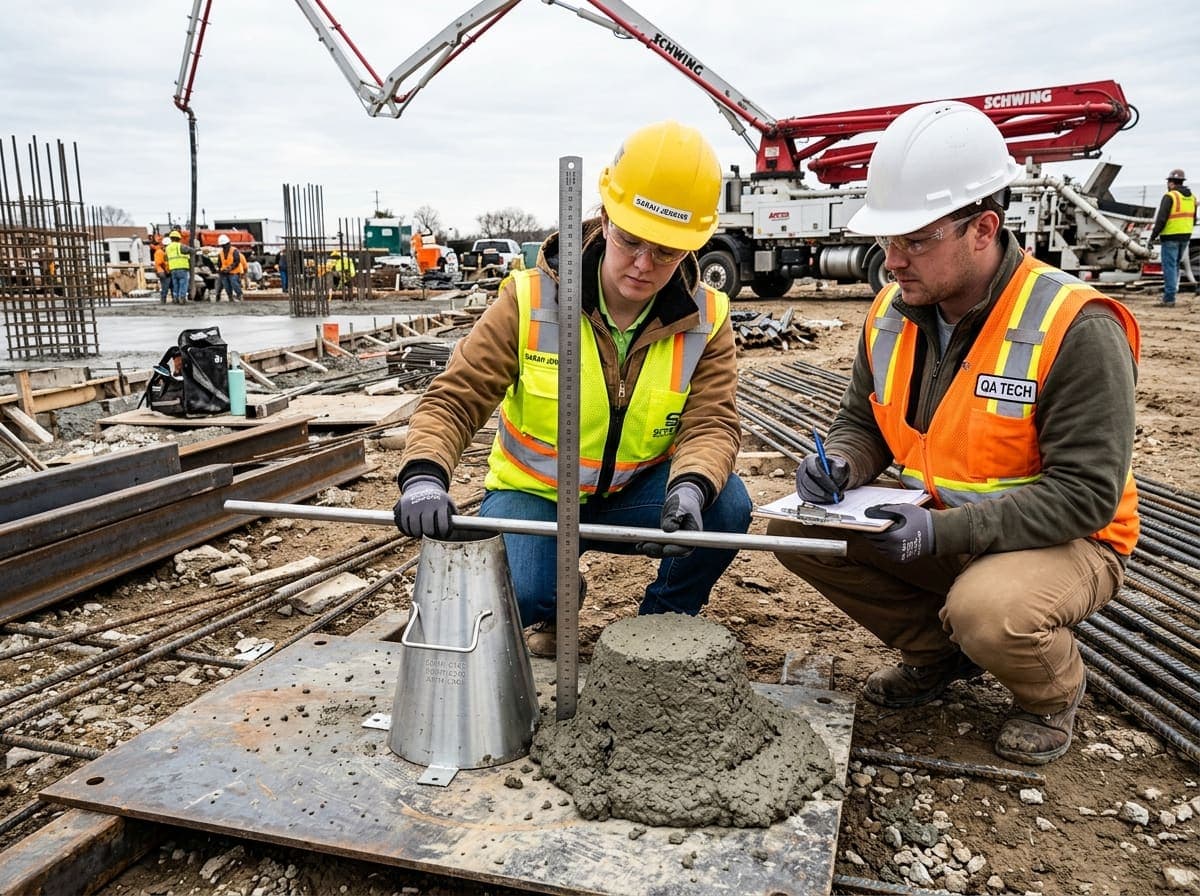
The Pre-Pour Concrete Checklist: What Every Site Engineer Must Verify Before Signing Pour Cards
5 min read • Nov 22, 2025